When hair starts to thin, shed more than usual, or lose its shine, most people reach for a shampoo or a topical treatment. Few think to look at their gut. Yet the scalp is skin, and like the skin on your face, it is shaped by the same internal conversation between your microbiome, your immune system, and your inflammatory balance. The gut-skin axis does not stop at the chin. It reaches all the way up to the roots, and that is why the state of your digestion can show up in your part line.
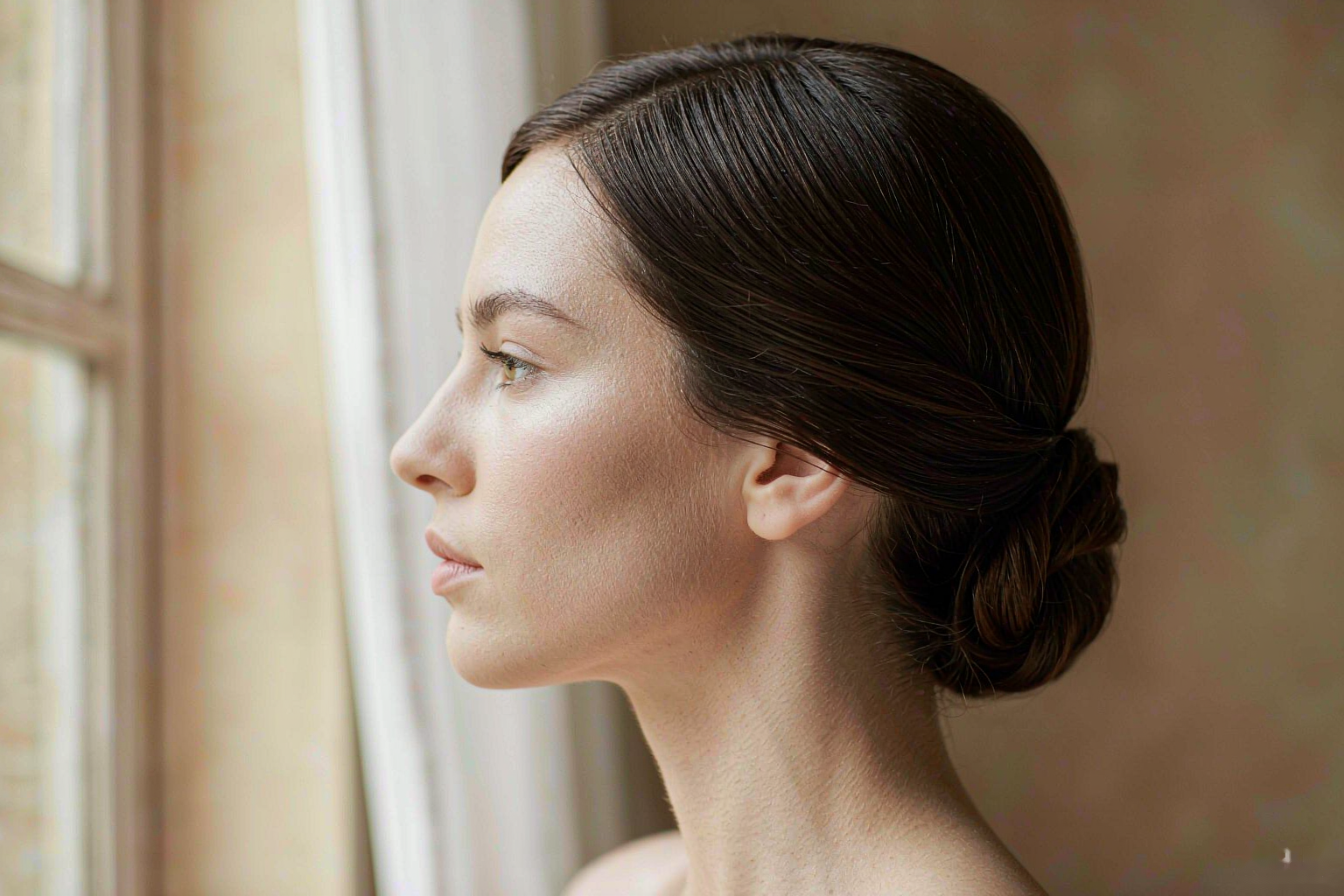
The scalp is skin, with its own microbiome
The scalp is one of the oiliest, most microbe-rich regions of the body. It hosts its own community of bacteria and fungi that, when balanced, help keep the surface calm and the follicles supported. Disruption of that local balance is linked to flaking, itching, excess oil, and the kind of low-grade inflammation that interferes with healthy hair cycling. What is less obvious is that the local scalp environment is continuously influenced by signals arriving from elsewhere, including the gut. A body running hot with inflammation tends to show it on the scalp first.
How the gut talks to your hair follicles
The link runs through immune signaling and the gut barrier. When the gut lining is compromised, bacterial fragments can enter circulation and prompt a widespread inflammatory response. Hair follicles are surprisingly sensitive to inflammatory messengers, and chronic inflammation can shorten the growth phase of the hair cycle, pushing more strands into shedding sooner than they should. This is part of why people with persistent digestive distress often describe thinner, more fragile hair alongside their gut symptoms. The follicle and the gut are reading from the same internal script.
The nutrition piece
Hair is mostly protein, so adequate protein is non-negotiable. But the gut governs how well that protein and other nutrients are absorbed and how calm the inflammatory backdrop remains. A disrupted microbiome is associated with poorer absorption of the building blocks hair needs, from amino acids to certain minerals. Supporting the gut therefore supports the environment in which hair is made. Fermented foods and a wide range of plants feed the microbial diversity that keeps this system running, while excess sugar and ultra-processed food tend to push it the other way.
Stress, sleep, and the follicle
Stress deserves a specific mention because it hits both ends of the axis at once. Elevated stress hormones alter gut bacteria and gut permeability while also directly disturbing the hair growth cycle, a well-documented cause of noticeable shedding. Poor sleep compounds the effect by removing the repair window the scalp and follicles rely on. The gut-brain-skin axis that explains breakouts and redness also explains a good share of stress-related hair changes, which is why addressing the gut often helps calm the whole cascade.
Where probiotics come in
A targeted probiotic supports the scalp-hair connection by strengthening the gut barrier, lowering inflammatory signaling, and encouraging a more diverse microbiome. Certain Lactobacillus and Bifidobacterium strains have the strongest human record for these effects, and their benefits tend to show up not just on the face but across skin surfaces, including the scalp. Pairing a multi-strain formula with prebiotic fiber gives the added bacteria something to thrive on. A gut-skin formula such as PrimeBiome is built around this inside-out logic, supporting the roots by supporting the gut. For related background, our Skin section explores how internal balance shapes external results.
A practical scalp-from-within routine
| Layer | What to do |
|---|---|
| Nutrition | Protein at each meal, plenty of plants, and minerals from whole foods. |
| Microbiome | Daily fermented foods plus a multi-strain probiotic with prebiotic fiber. |
| Lifestyle | Consistent sleep and simple stress outlets to protect the growth cycle. |
| Topical | Gentle cleansing and a scalp massage to support local circulation. |
What to expect, and when
Hair moves on a slow clock. Because a strand takes months to grow, changes driven from the gut will not appear overnight. The realistic marker is less shedding and a healthier scalp feel within the first couple of months, with visible density and shine improving as those healthier cycles mature. Patience is part of the method, not a delay to work around.
Bottom line
Your scalp and hair are part of the gut-skin axis, not separate from it. By calming inflammation at the gut level, supporting nutrient absorption, and feeding a diverse microbiome, you give your follicles a better environment to grow from. Prioritize protein, plants, sleep, and a targeted probiotic, and let the results build over time. For more on the underlying science, browse our Gut Health and Skin sections, or start with a gut-skin formula like PrimeBiome that works from the inside out.
When to get extra help
Supporting the gut is a powerful baseline, but it is not a replacement for medical care when something is clearly off. Sudden or patchy hair loss, inflamed or painful scalp areas, or shedding accompanied by other symptoms deserves a check for thyroid issues, nutrient deficiencies, or hormonal conditions. Think of gut support as the foundation that helps everything else work better, not the only tool. When the underlying cause is addressed and the gut is calm, the follicle has a far better chance of recovering its normal rhythm.
Myths about hair supplements
One persistent myth is that any biotin-heavy pill will fix thinning hair. Biotin helps only when there is a deficit, and excess often does little while crowding out other useful nutrients. Another is that topical products alone can override an inflamed internal environment. They can support the surface, but they cannot quiet the systemic inflammation that disrupts the growth cycle. The more useful frame is inside-out: feed the gut, lower inflammation, supply steady protein, and let the follicle return to a healthier cadence. That is the logic a gut-skin probiotic is built around, and it is where most people see durable change.
Building the habit that lasts
The difference between a routine that works and one that fades is usually simplicity. Rather than chasing a long list of products, anchor two or three daily actions: a protein-forward meal, a fermented food, and a consistent probiotic with fiber. Small, repeatable steps protect the gut environment that your follicles depend on, and they are far easier to sustain than an elaborate regimen. Over several months, that consistency is what the mirror eventually shows.