If you have been layering serums and masks on your face but still feel like your skin lacks that lit-from-within look, the missing piece might be on your plate. Not a supplement, not a gadget, but fiber. The connection sounds indirect until you follow the trail: the fiber you eat feeds the bacteria in your gut, those bacteria make compounds that calm inflammation and strengthen your skin barrier, and that barrier is what gives skin its smooth, luminous quality. Radiance is not only topical. It is microbial.
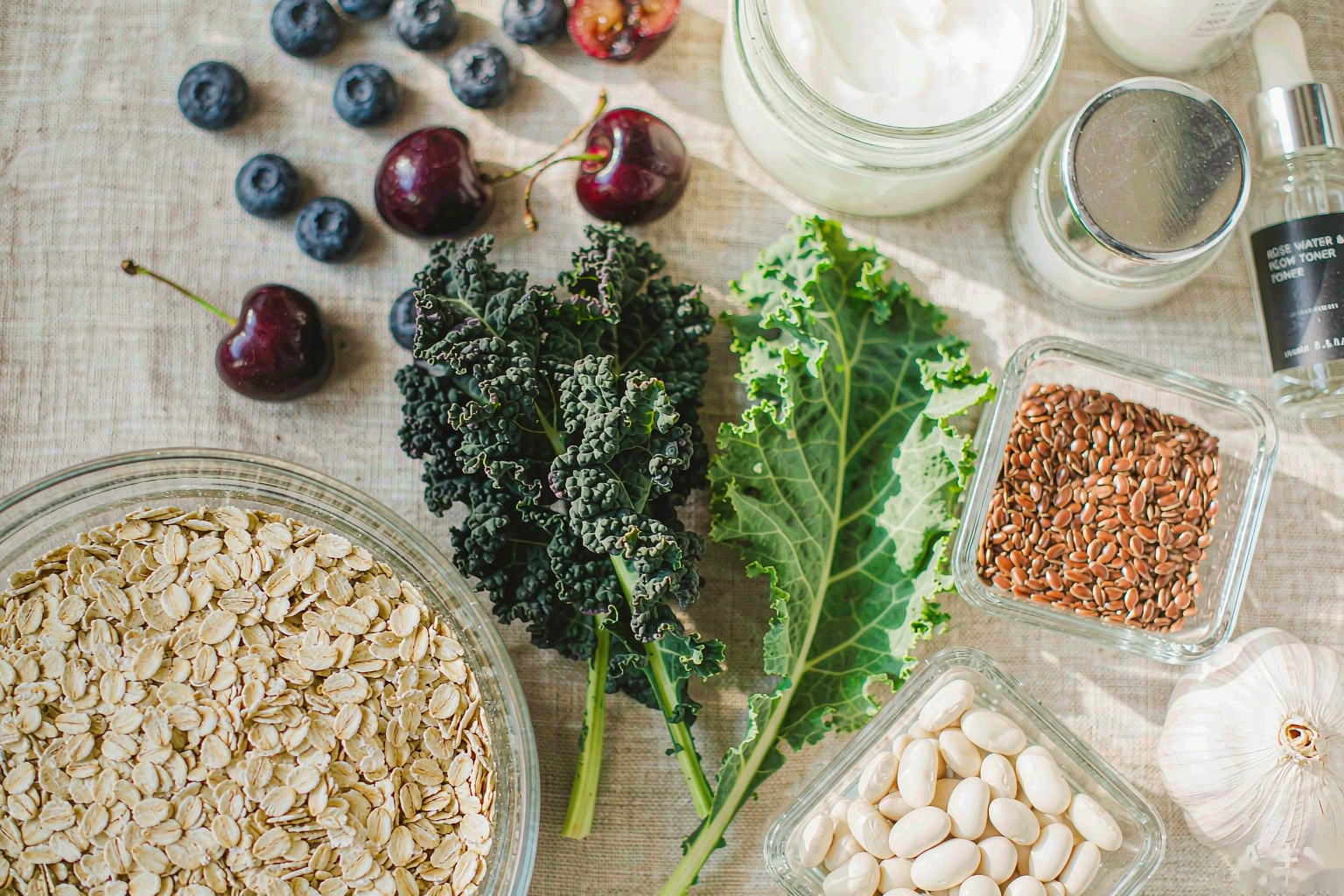
What fiber actually does in the gut
Fiber is the part of plant food your body cannot fully digest, but your gut bacteria can. When beneficial microbes ferment fiber, they produce short-chain fatty acids such as butyrate. Butyrate is a quiet hero: it fuels the cells lining the colon, helps keep the gut barrier tight, and lowers body-wide inflammation. A calmer, better-sealed gut means fewer inflammatory signals escaping into the bloodstream and fewer of them landing on your skin. In practical terms, the glow people chase with products often starts with the butyrate your own bacteria make from yesterday’s lunch.
Two kinds of fiber, two jobs
Most people know fiber as one thing, but it works in two main ways. Soluble fiber, found in oats, beans, apples, and flax, slows digestion and feeds certain bacteria that produce those helpful fatty acids. Insoluble fiber, found in leafy greens, whole grains, and the skins of vegetables, adds bulk and keeps things moving. Both matter for skin because a sluggish, congested digestive tract is associated with a more reactive, inflamed complexion. Variety is the point: a diet built around one or two fiber sources misses the range of microbes a diverse plate supports.
Prebiotics: fiber with a job title
Some fibers earn the name prebiotic because they specifically nourish beneficial bacteria. Inulin, found in garlic, onions, and leeks, and resistant starch, found in cooled potatoes, green bananas, and legumes, are two of the best-studied examples. When these reach the colon intact, they selectively feed the microbes linked to a healthier gut environment. The result is a more stable microbiome, a stronger barrier, and less of the low-grade inflammation that shows up as dullness, redness, and uneven tone. Prebiotics are not a separate food group. They are simply the right fibers doing the right job.
Fiber, blood sugar, and breakouts
There is a second route worth naming. Meals built around refined carbohydrates spike blood sugar, and those spikes drive insulin and inflammatory activity that the skin reads as more oil and more breakouts. Fiber blunts that spike. Eating protein, fat, and fiber before refined starch slows absorption and keeps glucose steadier, which is why a high-fiber meal leaves skin calmer than a low-fiber one with the same calories. This is one of the simplest, most underrated levers for clearer skin.
How much, and from where
Most adults fall well short of the commonly recommended daily fiber range, and skin is one of the places that shortfall shows. The practical move is not a powder alone but a daily pattern of real food.
- Start the day with oats or flax. Both deliver soluble fiber that feeds butyrate-producing bacteria.
- Add alliums often. Garlic, onions, and leeks are easy prebiotic wins in soups, dressings, and stir-fries.
- Keep the skins on. Many vegetables and fruits hold much of their fiber and polyphenols in or just under the skin.
- Include legumes several times a week. Beans and lentils are among the most fiber-dense, microbiome-friendly foods available.
Where a targeted probiotic fits
Fiber feeds the bacteria you already have, and a probiotic adds beneficial strains to the mix. The two work best together, which is why the combination is called synbiotic. A multi-strain formula such as PrimeBiome is designed around exactly this logic, pairing live cultures with the gut-skin axis in mind so the fiber you eat has something to support. For a wider view of the topic, our Gut Health section covers how daily food choices shape the microbiome.
A simple one-week glow-from-fiber plan
| Day | Easy fiber win |
|---|---|
| Mon | Overnight oats with flax and berries. |
| Tue | Garlic and onion base in a lentil soup. |
| Wed | Apple with skin plus a handful of walnuts. |
| Thu | Cooled roasted potatoes for resistant starch. |
| Fri | Leafy greens and beans in a grain bowl. |
| Weekend | A fermented food daily plus a multi-strain probiotic. |
Bottom line
Glowing skin is built in the kitchen as much as the bathroom. Fiber feeds the microbes that calm inflammation, strengthen your barrier, and steady your blood sugar, all of which show up as a clearer, more luminous complexion. Eat a wide range of plants, lean on prebiotic alliums and legumes, and pair your fiber with a targeted probiotic. For more on the science, browse our Gut Health and Skin sections, or start with a gut-skin formula like PrimeBiome that works from the inside out.
Signs your gut is responding
You do not need a lab test to notice fiber doing its job. Within a week or two of raising intake steadily, most people report more regular digestion and less bloating. Over a month or two, the skin changes tend to follow: a calmer tone, less reactivity, and a smoother surface that holds moisture better. These are the visible edges of a gut barrier that is tighter and an inflammatory load that is lower. Because results build gradually, the best signal is comparison over time rather than a single dramatic shift.
Common fiber mistakes
The most frequent error is jumping from very low to very high fiber overnight, which causes gas and discouragement. The steadier move is to add a little more each week so the microbiome can adapt. The second mistake is relying on one source, like a single green powder, which feeds a narrow set of bacteria. A third is forgetting water, since fiber works best with adequate fluids. And the last is expecting fiber to work alone: paired with fermented foods and a targeted probiotic, it becomes part of a system that genuinely supports the gut-skin axis rather than a single isolated tweak.